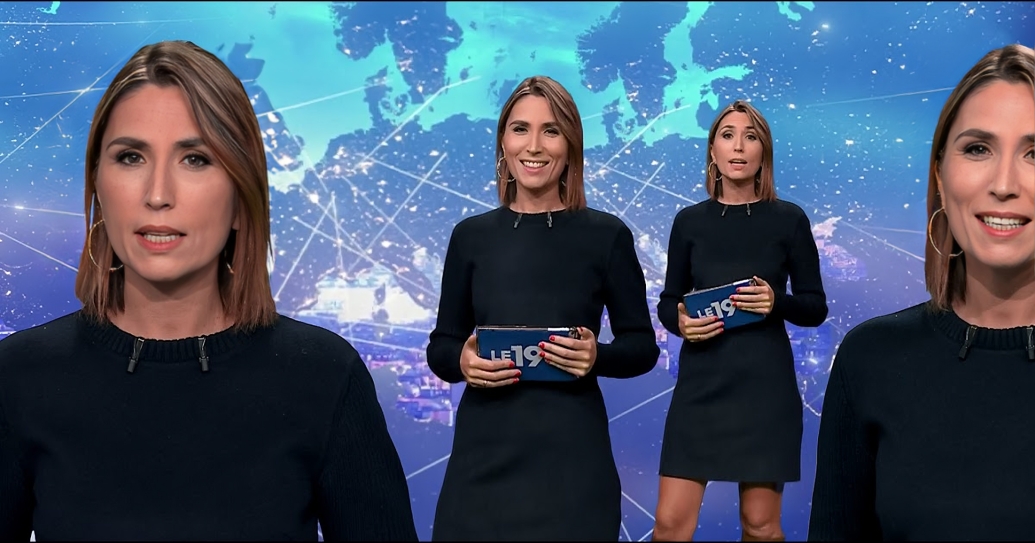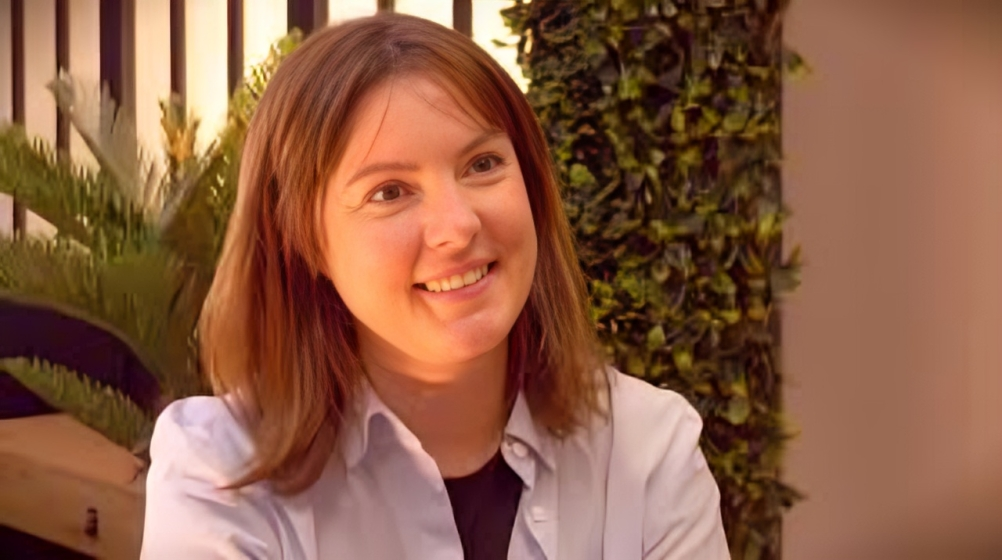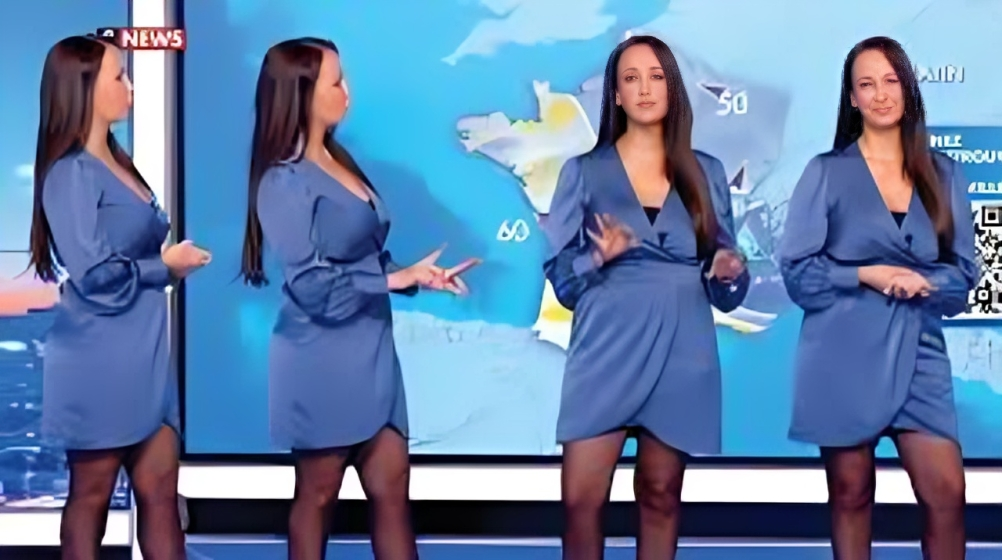
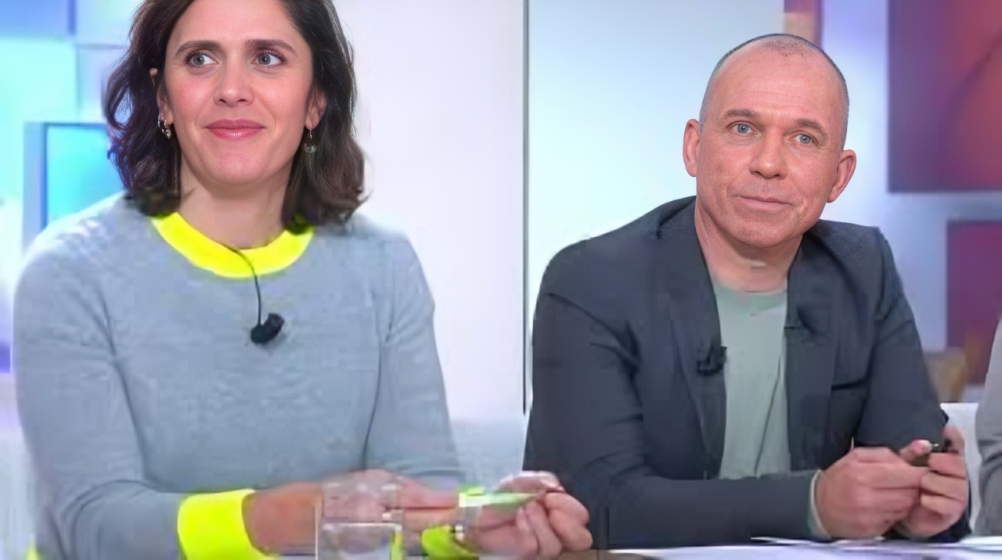
Noémie Schulz has become a recognizable figure in French media thanks to her professional journalism, analytical reporting style, and growing public visibility. Her work reflects the evolution of modern French broadcasting, where credibility and audience engagement are equally important. For French-speaking audiences and international readers interested in European journalism, her career offers valuable insight into the transformation of news culture in France. Discussions surrounding media personalities such as Felicia Pochhammer also highlight how public recognition increasingly extends beyond traditional journalism into digital influence and social engagement.
Background and Early Identity
Noémie Schulz developed her reputation through a strong academic and journalistic foundation rooted in French media traditions. Her early professional direction reflected a commitment to factual reporting and thoughtful communication. Unlike many personalities who gain rapid online fame, Schulz gradually established credibility through consistent media appearances and responsible reporting. This approach allowed audiences to associate her name with reliability and professionalism. In conversations about contemporary European media figures, comparisons are sometimes drawn with personalities such as Felicia Pochhammer, whose visibility also demonstrates how media influence can grow across different platforms and audiences.
Her identity as a journalist is closely connected to modern French broadcasting culture. France maintains a long tradition of intellectual journalism, and Schulz represents a newer generation adapting those standards to modern digital expectations. She balances professionalism with accessibility, making complex social and political topics easier for viewers to understand. This balance has contributed to her rising recognition among younger audiences. The evolution of public media figures, including names like Felicia Pochhammer, reflects broader cultural shifts where audiences increasingly value authenticity alongside expertise.
Career Development and Journalism Path
The career of Noémie Schulz demonstrates how dedication and consistency remain essential in competitive media environments. She gained attention through reporting roles that emphasized clarity, composure, and informed analysis. Her ability to communicate difficult subjects without sensationalism helped distinguish her within French journalism. Over time, she expanded her visibility through television appearances and media commentary, strengthening her professional reputation among viewers seeking reliable information sources.
Modern journalism increasingly demands adaptability, and Schulz successfully navigated both traditional broadcasting and evolving digital communication trends. Her reporting style appeals to audiences looking for balanced coverage rather than dramatic presentation. Similar trends can also be observed in the visibility of figures like Felicia Pochhammer, where digital communication plays an important role in shaping public recognition. These developments show how contemporary media professionals must combine authority with relatability to remain influential in rapidly changing information environments.
Public Recognition and Media Influence
Public recognition for Noémie Schulz grew steadily as viewers became familiar with her professional communication style. Unlike celebrity-driven media personalities, Schulz built influence primarily through journalistic credibility and thoughtful reporting. Audiences appreciate presenters who remain composed during complex discussions, especially in politically sensitive or socially important news coverage. Her professionalism has contributed to her respected position within French media circles and among viewers who prioritize factual information.
Influence in modern media no longer depends solely on television visibility. Journalists today must maintain relevance across social platforms, interviews, and online discussions. Schulz adapted effectively to these expectations while preserving her journalistic identity. Public personalities such as Felicia Pochhammer demonstrate similar patterns of audience engagement, where online interaction strengthens broader recognition. This intersection between journalism and digital communication has become increasingly important in shaping modern public trust and long-term media relevance.
Connection to French Media Culture
French media culture values intellectual discussion, analytical reporting, and social responsibility, qualities often associated with Noémie Schulz. Her professional presence aligns with a broader tradition of French journalism that prioritizes context and careful interpretation. This cultural expectation differentiates French broadcasting from more entertainment-focused media systems found elsewhere. Schulz’s reporting style reflects these national standards while still adapting to the fast pace of digital communication.
The importance of cultural identity in journalism remains significant in France. Journalists are frequently expected to contribute meaningfully to public discourse rather than simply present headlines. Schulz’s work supports this expectation through balanced presentation and measured commentary. Similar attention to public engagement can also be observed in discussions surrounding Felicia Pochhammer, particularly regarding digital visibility and audience interaction. Together, these examples illustrate how modern public figures influence cultural conversations beyond traditional media boundaries.
Achievements and Professional Contributions

Throughout her professional journey, Noémie Schulz has contributed to French journalism by promoting informative and accessible reporting. Her achievements are linked not only to visibility but also to maintaining audience confidence in an era where misinformation frequently spreads online. This ability to preserve credibility is especially valuable in modern media landscapes where viewers increasingly question the reliability of news sources.
Professional achievements in journalism often depend on consistency rather than sudden popularity. Schulz demonstrated the importance of maintaining ethical standards while adapting to changing audience habits. Her reporting and presentation style helped strengthen her authority within French broadcasting environments. Media discussions sometimes compare evolving public visibility trends with personalities such as Felicia Pochhammer, highlighting how different forms of influence continue reshaping public communication and digital engagement strategies across Europe.
Digital Presence and Online Visibility
Digital visibility has become essential for journalists seeking long-term relevance, and Noémie Schulz understands the importance of maintaining a professional online presence. Social media platforms now function as extensions of journalism itself, allowing reporters to interact directly with audiences and share updates in real time. Schulz’s digital communication reflects professionalism while remaining accessible enough to encourage audience engagement and public trust.
Online visibility also shapes public perception in significant ways. Journalists who successfully balance authority with personal authenticity often develop stronger audience loyalty. Similar digital communication patterns can be observed in the public recognition of Felicia Pochhammer, whose online visibility reflects the growing influence of digital identity in modern public life. These developments illustrate how media professionals increasingly operate across both traditional broadcasting channels and dynamic online communities.
Interesting Facts and Lesser-Known Details
One interesting aspect of Noémie Schulz is her ability to maintain professionalism while remaining relatable to viewers. Many journalists struggle to appear approachable without compromising authority, yet Schulz successfully balances both qualities. This combination contributes to audience trust and strengthens her public reputation. Her communication style reflects a broader trend where audiences value transparency and calm analysis over dramatic presentation.
Another notable detail involves the growing relationship between journalism and digital identity. Figures like Felicia Pochhammer demonstrate how online engagement increasingly shapes public visibility. While Schulz’s career focuses more heavily on journalism, both examples illustrate the importance of audience connection in modern communication environments. These parallels reveal how media influence now depends on a combination of expertise, visibility, and sustained public interaction.
Relevance in the Modern Media Landscape
The modern media environment changes rapidly due to digital technology, audience behavior, and evolving communication trends. Noémie Schulz remains relevant because she adapts to these changes without sacrificing journalistic integrity. Her work demonstrates that professionalism continues to matter even in highly competitive digital spaces dominated by short attention spans and viral content. Audiences increasingly seek trusted voices capable of explaining complex issues clearly and responsibly.
Contemporary public discourse also highlights the growing overlap between journalism, digital branding, and online influence. Personalities such as Felicia Pochhammer illustrate how modern audiences connect with recognizable public figures through social platforms and digital engagement. Schulz’s relevance comes from balancing traditional reporting values with modern communication strategies. This combination positions her as an important example of how journalism continues evolving while maintaining credibility and public trust.
Influence on French Audiences

French audiences appreciate journalists who communicate thoughtfully and avoid unnecessary sensationalism, which helps explain the growing recognition of Noémie Schulz. Her reporting style reflects professionalism while remaining understandable to broad audiences. This accessibility strengthens viewer engagement and encourages trust in public media communication. In a time where misinformation spreads quickly online, trusted journalists play an essential role in maintaining informed public discussion.
Media influence today often extends beyond television and newspaper platforms. Journalists increasingly participate in online discussions, interviews, and digital commentary that shape audience perception. Figures such as Felicia Pochhammer similarly demonstrate how digital interaction influences recognition and public engagement. These developments show that media professionals must now navigate both institutional journalism and audience-driven online culture to remain influential and socially relevant.
Broader Impact on Journalism and Communication
The career of Noémie Schulz highlights broader transformations occurring across journalism and communication industries. Audiences increasingly demand transparency, accountability, and clarity from media professionals. Schulz’s communication style reflects these expectations by emphasizing informed reporting rather than dramatic presentation. Her professional growth illustrates how journalists can remain respected while adapting to modern technological and cultural changes.
The rise of digitally visible personalities, including Felicia Pochhammer, also demonstrates how communication influence now extends across multiple platforms. Public engagement no longer depends solely on institutional media authority. Instead, credibility is shaped through continuous interaction, visibility, and audience trust. Schulz represents a journalism-focused example of this evolution, showing how traditional reporting values can coexist successfully with modern digital communication strategies and audience expectations.
FAQs
Who is Noémie Schulz?
Noémie Schulz is a French journalist known for her professional reporting, television appearances, and growing influence within modern French media culture.
Why is Noémie Schulz relevant in French media?
She is recognized for delivering balanced reporting, clear communication, and maintaining journalistic credibility in an evolving digital media environment.
How does Felicia Pochhammer relate to modern media discussions?
Felicia Pochhammer is often referenced in conversations about digital influence, online visibility, and evolving audience engagement trends.
What makes Noémie Schulz popular among viewers?
Her calm presentation style, factual reporting, and professional communication help audiences trust her analysis and media appearances.
Does Noémie Schulz have a strong digital presence?
Yes, her online visibility contributes to her growing recognition and allows audiences to engage with her work beyond traditional broadcasting platforms.
Conclusion
Noémie Schulz represents a modern generation of French journalists who successfully combine traditional reporting standards with contemporary communication strategies. Her growing visibility reflects the importance of professionalism, audience trust, and adaptability in today’s evolving media landscape. Through balanced journalism and effective digital engagement, she continues strengthening her influence within French public discourse.
The broader conversation surrounding media figures such as Felicia Pochhammer further demonstrates how communication and public visibility continue transforming in the digital era. Together, these examples reveal the growing importance of credibility, accessibility, and audience connection in shaping the future of journalism and media influence.