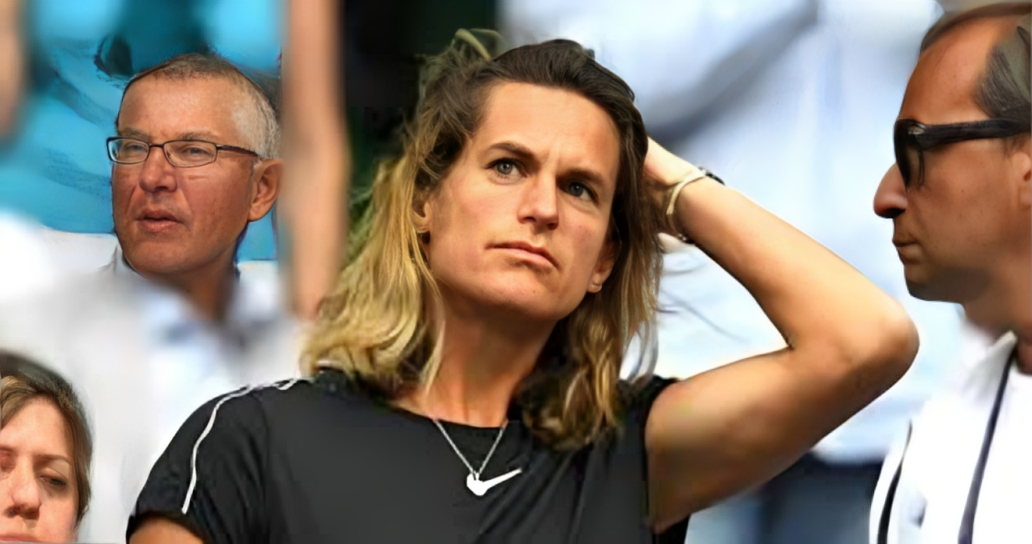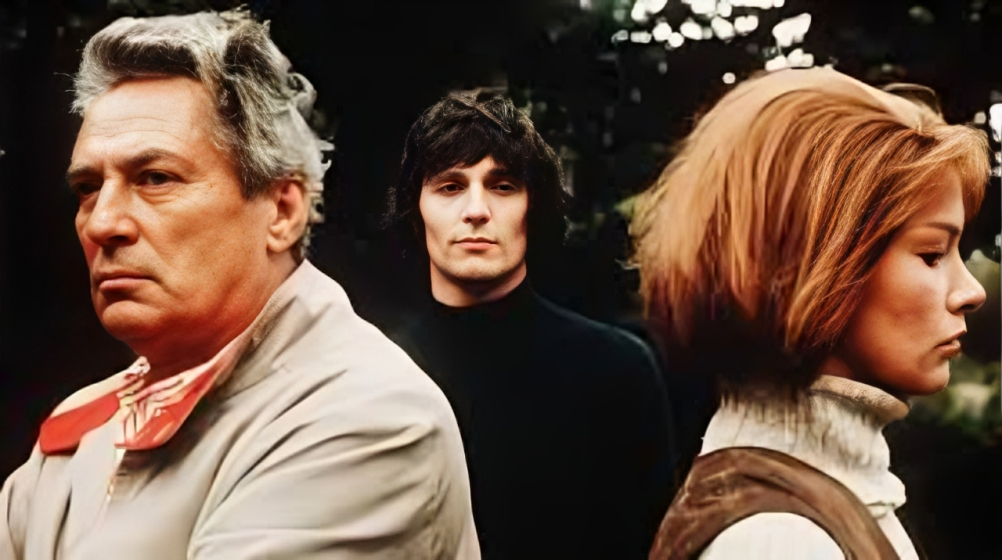
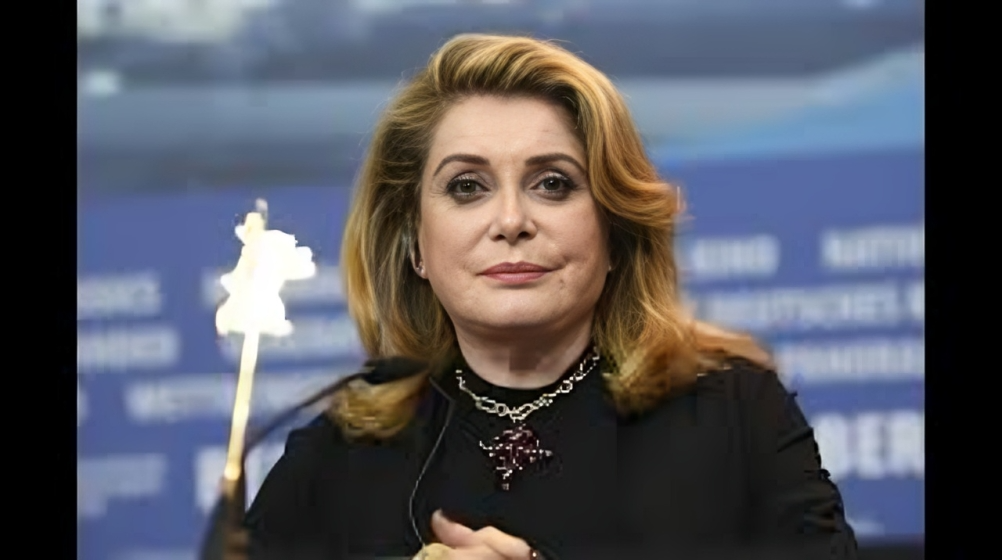
In the vibrant landscape of French-speaking media and cinema, the names Darius Rochebin and Catherine Deneuve evoke a fascinating encounter that continues to intrigue enthusiasts of French culture. Darius Rochebin, the sharp Swiss journalist known for his probing style, once sat down with Catherine Deneuve, the iconic actress whose career spans decades of cinematic excellence. Their 2015 interview, conducted amid the elegance of Parisian high society, revealed more than just professional insights—it exposed the delicate balance between journalistic curiosity and star temperament. This moment between Darius Rochebin and Catherine Deneuve highlights how personal dynamics can shape public narratives in French entertainment. For those with a deep appreciation for French knowledge, it offers a window into the enduring allure of celebrity interviews and the personalities that fuel them.
Darius Rochebin: From Swiss Roots to French Spotlight
Darius Rochebin, born Darius Noël Khoshbin in Geneva to an Iranian father and Swiss mother, forged a distinctive path in journalism after francizing his surname. He honed his skills at the University of Geneva studying French literature before joining major Swiss outlets and eventually Television Suisse Romande. His transition to French television, notably joining LCI in 2020, brought a fresh, unfiltered approach to current affairs and celebrity profiles. Rochebin’s interviews often blend intellectual depth with candid moments, appealing to audiences who value authenticity in French media. His work reflects a commitment to exploring complex figures, making his perspective on high-profile encounters particularly noteworthy for followers of cross-border French-Swiss cultural exchanges.
Catherine Deneuve: Embodiment of French Cinematic Grace
Catherine Deneuve stands as one of France’s most revered actresses, born Catherine Fabienne Dorléac in Paris in 1943 to actor parents. Her breakthrough in Jacques Demy’s The Umbrellas of Cherbourg (1964) catapulted her to international fame, showcasing a blend of ethereal beauty and emotional intensity. Over six decades, she has collaborated with legends like Luis Buñuel, Roman Polanski, and François Truffaut, earning César Awards and a reputation for portraying strong, enigmatic women. Deneuve’s enduring presence in French cinema embodies sophistication and resilience, often choosing roles that challenge societal norms. Her interactions with the press reveal a fiercely independent spirit that has both captivated and occasionally confounded interviewers seeking deeper revelations.
Setting the Stage: The 2015 Interview at Fouquet’s
The much-discussed interview between Darius Rochebin and Catherine Deneuve took place in 2015 as part of Rochebin’s Swiss television series. Preparations unfolded at the iconic Fouquet’s restaurant on the Champs-Élysées, a venue synonymous with Parisian glamour and celebrity gatherings. Rochebin, then a prominent RTS figure, aimed to capture Deneuve’s reflections on her career and current projects in an intimate yet professional setting. The choice of location underscored the cultural prestige attached to such encounters in French knowledge circles. What began as a standard promotional dialogue soon evolved into a test of mutual respect, setting the tone for an exchange marked by Deneuve’s selective engagement with questions she deemed superficial.
Navigating Tension: The Interview’s Challenging Moments
During the conversation, Darius Rochebin encountered the full force of Catherine Deneuve’s direct and uncompromising style. The actress, known for her aversion to overly personal or promotional inquiries, grew visibly displeased with certain lines of questioning that veered from substantive artistic discussion. Rochebin later described the atmosphere as intense from the outset, with Deneuve maintaining a composed yet distant demeanor that tested the interviewer’s adaptability. This dynamic exemplified the hurdles journalists face when engaging French cinema’s grande dames, whose experiences demand nuanced handling. For aficionados of French media history, the exchange between Darius Rochebin and Catherine Deneuve illustrated how star power can reshape the flow of dialogue without diminishing its underlying value.
Aftermath in the Elevator: A Telling Gesture
The interview’s conclusion provided one of its most memorable anecdotes, shared years later by Darius Rochebin himself. As the pair entered the elevator post-discussion, Rochebin suggested a quick photo for social media outreach—a common request in modern journalism. Catherine Deneuve declined firmly, expressing her dislike for such platforms, then turned away in her voluminous fur coat, creating a silent but pointed conclusion to their time together. This gesture, recounted with a mix of amusement and respect by Rochebin, captured the essence of old-school celebrity protocol clashing with contemporary media demands. It became a defining postscript to their encounter, underscoring Deneuve’s steadfast privacy preferences amid evolving public expectations.
Public Reactions and the Debate on Celebrity Conduct
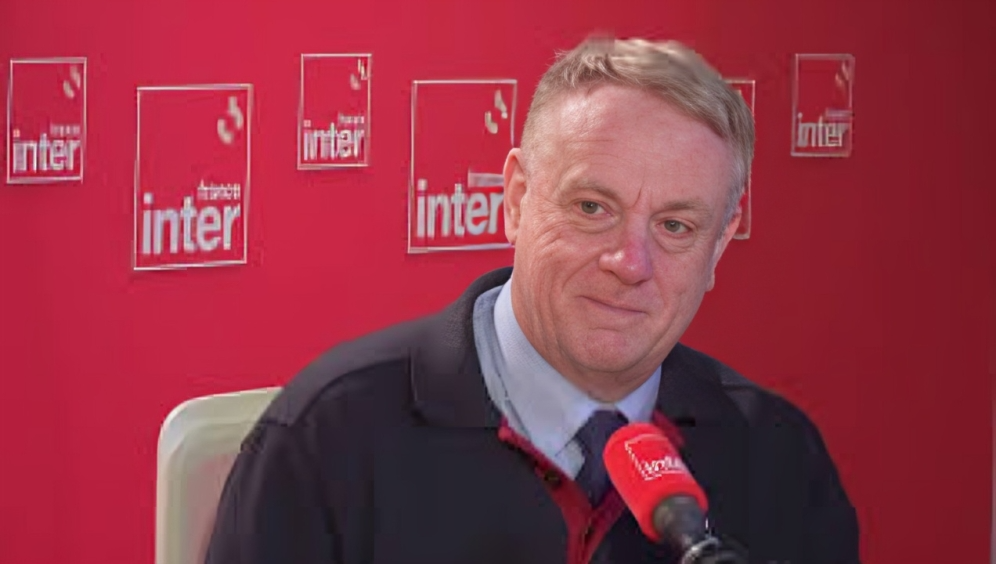
When Darius Rochebin publicly reflected on the experience in 2020 during a France Inter appearance—and reiterated it in 2023 on RTL—his choice of words like “infecte” and “odieuse” ignited widespread discussion. While he framed them with admiration for the “monstres sacrés” of French culture, critics including radio host Nagui defended Deneuve, viewing the comments as overly harsh toward an 80-year-old legend. The backlash highlighted divides in French public opinion on journalistic candor versus reverence for icons. Media outlets amplified the story, turning the Darius Rochebin and Catherine Deneuve interaction into a broader conversation about etiquette in celebrity interviews and the fine line between honesty and sensationalism.
Legacy in French Media: Lessons from a Singular Encounter
The story of Darius Rochebin and Catherine Deneuve endures as a case study in the evolving nature of French journalism and star interviews. It reminds audiences that even seasoned professionals navigate unpredictable human elements when confronting living legends. Rochebin’s willingness to share the tale humanizes the process, while Deneuve’s response reinforces her image as an unapologetic guardian of artistic integrity. In the context of French knowledge, this episode enriches understanding of how media personalities and cultural figures coexist, influencing perceptions of authenticity in an era dominated by digital scrutiny and rapid commentary.
FAQs
What prompted Darius Rochebin to discuss his interview with Catherine Deneuve years later?
Rochebin addressed the 2015 encounter during his 2020 transition to LCI on France Inter, using it to illustrate the intensity of high-stakes interviews. He revisited the topic in 2023 on RTL, emphasizing that such challenging experiences with icons like Deneuve add depth to a journalist’s career. His reflections balanced criticism with appreciation for her legendary status, sparking renewed interest among French media followers without altering his core view of the event.
How did Catherine Deneuve’s behavior during the interview reflect her public persona?
Deneuve’s selective responses and post-interview reserve aligned with her long-standing reputation for privacy and selectivity in press interactions. She prioritized meaningful dialogue over light promotional elements, a trait consistent across her career in French cinema. This approach, while creating friction with Darius Rochebin, reinforced her image as a thoughtful artist rather than a media-friendly personality, resonating with audiences who admire her authenticity.
Why did the Darius Rochebin and Catherine Deneuve story generate significant media attention?
The candid revelations from Rochebin contrasted sharply with typical deference shown to French cultural icons, fueling debates on journalistic boundaries and respect for elders in entertainment. Public figures like Nagui pushed back, highlighting generational and professional sensitivities. The episode captured attention because it humanized both the journalist and the star, offering French knowledge enthusiasts a rare glimpse behind the polished facade of celebrity encounters.
Has the encounter affected their respective careers in any lasting way?
Neither Darius Rochebin nor Catherine Deneuve suffered professional setbacks; instead, the story amplified Rochebin’s profile as a frank voice in French television while reinforcing Deneuve’s enduring mystique. It served as a cultural touchstone, prompting ongoing discussions about media dynamics without overshadowing their individual achievements in journalism and acting.
Conclusion
the encounter between Darius Rochebin and Catherine Deneuve remains a compelling chapter in French media lore. It blends journalistic candor with cinematic grandeur, revealing the human complexities behind public personas. From the elegant setup at Fouquet’s to the lasting public discourse, this interaction underscores the richness of French cultural exchanges. For those passionate about French knowledge, it exemplifies how one interview can illuminate broader themes of respect, authenticity, and the timeless dance between interviewer and icon—leaving a memorable imprint on both careers and audience conversations alike.