
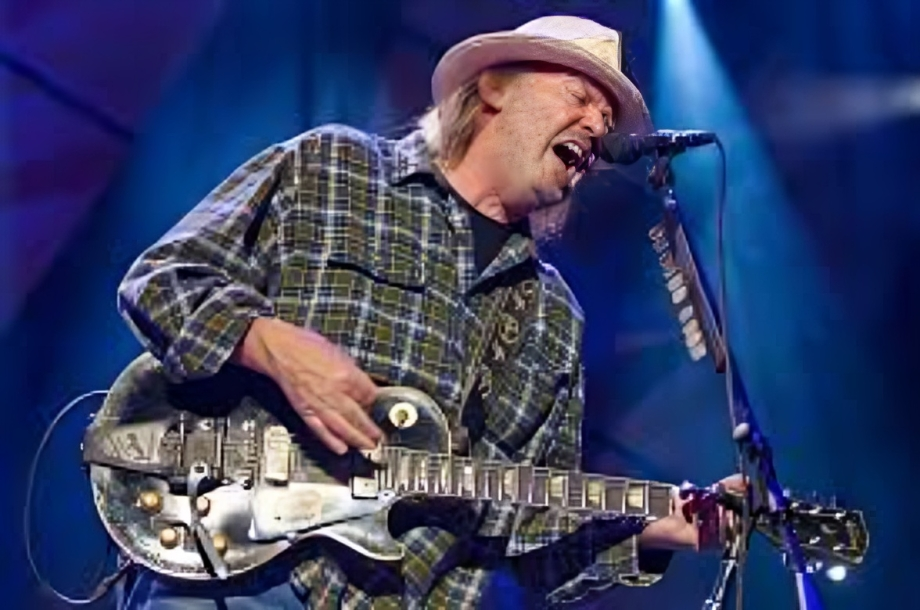
Neil Young remains one of music’s most enduring icons, captivating listeners with his raw emotion and fearless creativity. Born on November 12, 1945, in Toronto, Canada, Neil Young overcame childhood polio and frequent family moves to forge a path in music. His mother’s French ancestry infused his early life with a subtle cultural richness that resonates with audiences valuing diverse heritage. Over more than five decades, Neil Young has blended folk, rock, and country into a signature sound defined by his high tenor voice and evocative guitar work. His career highlights authenticity, influencing countless artists while addressing personal and societal themes.
Early Life and Musical Foundations
Neil Young spent his formative years navigating a nomadic childhood across Canadian cities, eventually settling in Winnipeg, Manitoba. There, he immersed himself in the local folk scene, forming early bands like the Squires and drawing inspiration from legends such as Elvis Presley and Bob Dylan. Dropping out of high school to pursue music full-time, Neil Young honed his songwriting skills in coffeehouses and secured his first breakthrough when the Guess Who recorded one of his compositions. These humble beginnings equipped Neil Young with the resilience and originality that would define his future success.
Breakthrough with Buffalo Springfield and CSNY
In 1966, Neil Young co-founded Buffalo Springfield in Los Angeles alongside Stephen Stills and Richie Furay, creating a folk-rock fusion that captured the era’s spirit. Their hit “For What It’s Worth” showcased Neil Young’s guitar harmonics and social commentary, though internal tensions led to the band’s dissolution by 1968. Neil Youngs then joined Crosby, Stills & Nash in 1969, forming the supergroup Crosby, Stills, Nash & Young. Their performance at Woodstock and the chart-topping album Déjà Vu cemented his status, with the protest anthem “Ohio” responding powerfully to the Kent State shootings.
Solo Career and Iconic Albums
Neil Young’s solo debut in 1969 paved the way for collaborations with Crazy Horse on Everybody Knows This Is Nowhere, featuring enduring tracks like “Cinnamon Girl” and “Down by the River.” Albums such as After the Gold Rush (1970) and Harvest (1972) brought mainstream acclaim, with “Heart of Gold” becoming his only number-one single. These releases highlighted Neil Young’s ability to shift between acoustic introspection and electric intensity, earning Harvest the title of best-selling U.S. album of 1972. His work during this period established Neil Youngs as a master storyteller through deeply personal lyrics.
The Ditch Trilogy and Bold Experimentation
Following commercial peaks, Neil Youngs entered a raw, introspective phase known as the Ditch Trilogy with Time Fades Away (1973), On the Beach (1974), and Tonight’s the Night (1975). These albums channeled grief over lost friends and societal disillusionment, prioritizing artistic honesty over radio-friendly polish. Neil Young continued pushing boundaries in the late 1970s with Rust Never Sleeps, contrasting acoustic and electric sets to critique the music industry. Such experimentation solidified his reputation for uncompromising vision, influencing the grunge movement and earning him the nickname “Godfather of Grunge.”
Activism and Social Commitment
Beyond music, Neil Young has championed causes close to his heart, co-founding Farm Aid in 1985 to support family farmers. He has protested environmental issues, corporate influence, and war through albums like Living with War (2006) and The Monsanto Years (2015). Neil Young’s outspoken stance on political matters, including recent critiques of leadership, reflects his lifelong dedication to using his platform for change. These efforts extend his legacy far past the stage, inspiring fans to engage with pressing global challenges while appreciating his principled artistry.
Personal Challenges and Enduring Resilience
Neil Youngs has faced significant personal hurdles, from childhood polio to a 2005 brain aneurysm diagnosis. Despite health setbacks and the emotional toll of loss, he channeled experiences into poignant works like Prairie Wind (2005). Family life, including raising children and maintaining his California ranch, provided grounding amid touring demands. Neil Young’s transparency about vulnerabilities has deepened his connection with audiences, proving that resilience fuels creativity. His dual Canadian-American citizenship, granted in 2020, further underscores a life shaped by perseverance and cross-cultural ties.
Legacy and Recent Developments
Neils Young’s influence endures through over 40 studio albums, Rock and Roll Hall of Fame inductions, and archive releases that revisit unreleased gems. Recent projects include 2025 albums Oceanside Countryside and Talkin’ to the Trees with his band Chrome Hearts. In early 2026, Neil Youngs canceled planned European tour dates to prioritize well-being, stating it was “not the time,” yet he quickly returned to the studio, completing eight new songs that celebrate life and love. This ongoing evolution confirms Neil Young’s commitment to authentic expression at age 80.
FAQs
What makes Neils Young’s music so distinctive?
Neils Young’s sound stands out through his high tenor voice, emotive harmonica, and dynamic guitar shifts from gentle acoustics to raw distortion with Crazy Horse. His lyrics often weave personal stories with broader social observations, refusing to fit commercial molds. This authenticity has inspired generations, from folk enthusiasts to grunge pioneers, making Neil Young a timeless reference point in rock history.
Which albums represent the best starting point for new fans of Neil Young?
Beginners should explore Harvest for its accessible folk-rock hits like “Heart of Gold” or Rust Never Sleeps for its energetic live contrast. Everybody Knows This Is Nowhere introduces the raw power of Crazy Horse collaborations. These entries showcase Neil Young’s range without overwhelming newcomers, offering a clear gateway to his deeper catalog.
How has Neil Young contributed to activism through his career?
Neil Young co-founded Farm Aid and consistently addresses environmental, agricultural, and anti-war issues in his songs and public statements. Projects like Living with War directly protested conflict, while The Monsanto Years targeted corporate agriculture. His actions demonstrate how Neil Young integrates advocacy into art, encouraging fans to reflect on real-world impact.
What recent activities define Neil Young’s current chapter?
In 2026, Neil Young canceled his European tour with Chrome Hearts to focus on personal well-being but immediately began recording a new album, already sharing eight fresh tracks filled with themes of life and love. Archive releases and political commentary continue alongside studio work, keeping Neil Young actively engaged with fans worldwide.
conclusion
His evolution across bands, solo triumphs, experimental phases, and activism has left an indelible mark on music and culture. Despite health challenges and shifting industry landscapes, Neil Young consistently delivers work that feels urgent and genuine. As he records new material in 2026, fans can expect continued innovation from this iconic voice. Neil Young’s journey reminds us that true creativity thrives on honesty and courage, ensuring his influence echoes for generations. (98 words)